
Embarking on the sacred journey of Umrah is a profound spiritual milestone for Muslims, a personal pilgrimage to seek closeness with Allah (SWT). This comprehensive Umrah guide for beginners is designed to support you through every stage, from initial intention to your return home with a renewed spirit.
Preparing Your Heart and Mind: An Umrah Guide for Beginners
The journey of Umrah begins not with a flight, but with a sincere intention. Known as the ‘minor pilgrimage’, it is a deeply personal act of worship undertaken to seek forgiveness and draw nearer to Allah (SWT). The spiritual cornerstone of this entire experience is your Niyyah (intention), a silent declaration in your heart that this journey is for Allah (SWT) alone. Before you begin thinking about travel logistics, the most important step is preparing for Umrah on a spiritual level.
This involves more than just booking a ticket. It means taking time to understand the significance of the rituals you will perform. Learn the beautiful words of the Talbiyah, the prayer you will recite throughout your journey, and reflect on their meaning. This spiritual readiness connects directly to your physical preparation. The rites of Umrah involve considerable walking, often between 8 and 15 kilometres. Viewing this physical effort not as a challenge but as a necessary and rewarding part of your worship helps align your heart and body for the blessed journey ahead.
Practical Steps for Your Sacred Travel Arrangements

With your spiritual intention set, the next phase involves practical planning. For UK citizens, obtaining a Saudi e-visa is a straightforward process, typically granting a 90-day stay. Once your visa is approved, it is essential to use the official Nusuk platform to book your Umrah and Rawdah permits. These permits are mandatory and ensure your access to the holy sites is scheduled and organised.
First-time pilgrims often face the choice between arranging their travel independently or opting for a structured package. This decision significantly shapes the journey. For those seeking clear Umrah travel advice, understanding the differences is key. An organised package coordinates the complex details, allowing you to focus on your worship. For pilgrims seeking this level of reassurance, comprehensive support is available through dedicated providers who specialise in sacred travel.
Comparing Umrah Booking Approaches for First-Time Pilgrims
| Aspect | Organised Umrah Package | Independent Booking |
|---|---|---|
| Visa & Permits | Often handled or guided by the travel provider | Pilgrim is fully responsible for applications |
| Flights & Hotels | Pre-selected and coordinated by the provider | Requires individual research and booking |
| Ground Transport | Arranged transfers between airport, hotels, and holy sites | Must be booked separately (taxis, ride-sharing) |
| Guidance & Support | On-the-ground support and structured guidance | Relies on self-navigation and personal research |
| Best For | First-time pilgrims seeking peace of mind and structure | Experienced travellers comfortable with managing logistics |
This table outlines the key differences between booking a coordinated package and arranging your travel independently. For first-time pilgrims, a package often provides essential structure and support for a more focused spiritual journey.
Your packing should be equally thoughtful:
- Ihram Garments: Two seamless white cloths for men.
- Modest Clothing: Loose, comfortable attire for women.
- Comfortable Footwear: Essential for Tawaf and Sa’i.
- Small Bag: For carrying essentials like prayer mats, water, and personal items.
The Four Core Rituals of Umrah Explained
Understanding the sequence of worship is central to a fulfilling pilgrimage. The core Umrah rituals explained here form the pillars of your journey, each carrying deep spiritual significance. There are four essential rites that every pilgrim must complete in a specific order.
- Ihram: Entering a Sacred State
Before crossing the designated boundary known as the Miqat, you must enter the state of Ihram. This involves performing Ghusl (a ritual purification), donning the simple Ihram garments, and making your formal Niyyah for Umrah. From this point, certain prohibitions apply, guiding you towards humility and focus. - Tawaf: Circumambulating the Kaaba
Upon arriving at Masjid al-Haram in Makkah, you will perform Tawaf. This consists of circling the Kaaba seven times in an anti-clockwise direction, beginning and ending at the Hajar al-Aswad (the Black Stone). Each circle is an expression of devotion. Recent expansions to the Mataf area have helped manage crowd flow, creating a more spacious environment for worshippers. - Sa’i: Walking Between Safa and Marwa
Following Tawaf, you will perform Sa’i, which involves walking seven times between the hills of Safa and Marwa. This ritual commemorates the desperate search for water by Hajar, the wife of Prophet Ibrahim (AS). A single trip from one hill to the other counts as one lap, with the seventh lap concluding at Marwa. - Halq or Taqsir: Completing the Umrah
The final step is to exit the state of Ihram. For men, this is done through Halq (shaving the head) or Taqsir (trimming a small amount of hair). Women perform Taqsir by cutting a small lock of hair. This act symbolises rebirth and the completion of your Umrah.
Navigating Makkah with Confidence and Peace
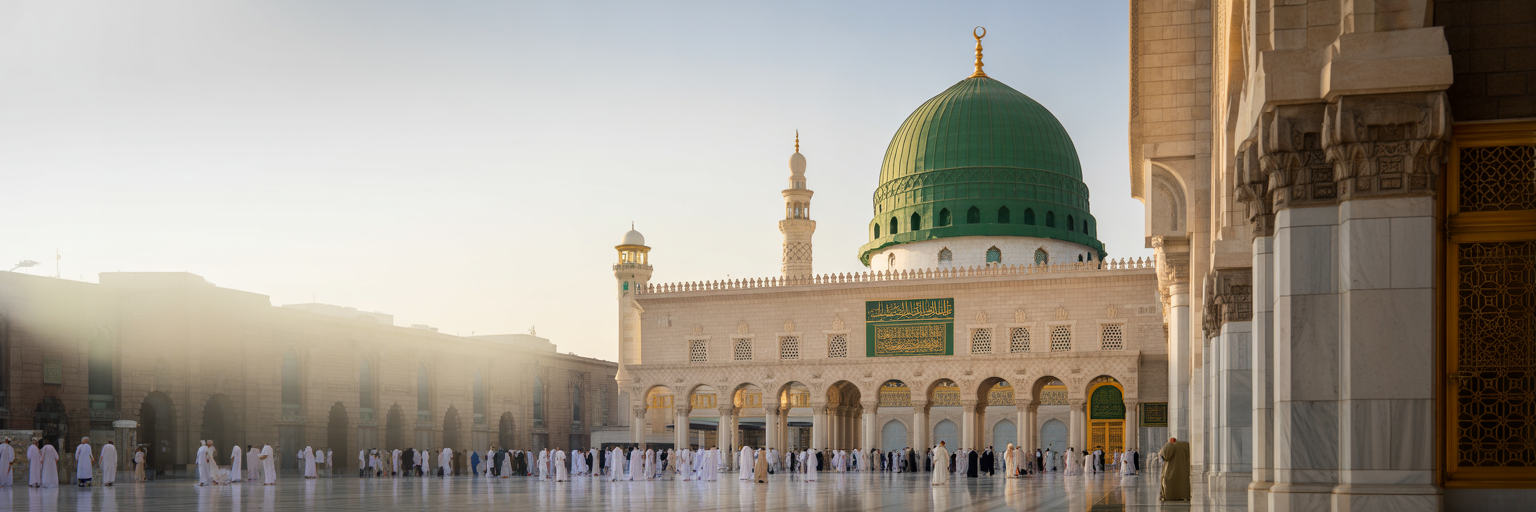
Once you arrive in the holy city, the sheer number of fellow pilgrims can feel overwhelming. However, with some practical knowledge, you can navigate Makkah with a sense of calm and focus. To manage crowds, consider performing your rituals during quieter periods, such as the early morning hours after Fajr prayer. The time between Maghrib and midnight prayers is often the busiest.
Maintaining proper etiquette within Masjid al-Haram is an act of worship in itself. These practices are aligned with the official guidance from the Saudi Ministry of Hajj and Umrah, which aims to ensure a safe and respectful environment for all worshippers.
- Show Patience: Be considerate of others, especially the elderly and those with limited mobility.
- Keep Pathways Clear: Avoid praying in walkways or obstructing the flow of people performing Tawaf.
- Maintain Quiet Dignity: Refrain from loud conversations or using your phone for non-essential purposes.
Staying hydrated is crucial due to the climate and physical exertion. Thankfully, Zamzam water stations are plentiful throughout the mosque. While a visit to Madinah is not a formal part of Umrah, many pilgrims find it a deeply rewarding extension of their spiritual journey, offering a chance to pray in the Prophet’s Mosque and feel a unique sense of peace.
Avoiding Common Mistakes on Your First Umrah
It is natural for first-time pilgrims to feel anxious about making mistakes. Being aware of common pitfalls can provide reassurance and help you focus on your worship. These first-time Umrah tips are intended to bring you peace of mind.
- Entering Ihram on Time: A frequent error is crossing the Miqat boundary without having entered the state of Ihram. Be sure to know your Miqat point, especially if travelling by air, and prepare accordingly.
- Keeping Count During Rituals: It is easy to lose count of your circuits during Tawaf or Sa’i. To avoid this, consider using prayer beads (tasbih) or a digital counter to keep track accurately.
- Focusing on Quality, Not Speed: Do not rush your rituals. The purpose is sincere devotion, not a race. Perform each act with mindfulness and at a pace that feels comfortable for you.
Most importantly, remember that Allah (SWT) values your sincerity above all else. Minor, unintentional mistakes can happen. Trust in His mercy and focus on the intention in your heart, which is the true measure of your worship.
Returning Home with a Renewed Spirit
Your Umrah journey does not end when you leave Makkah. The return home is a time for reflection on the spiritual renewal and forgiveness you sought. Your pilgrimage brings tranquillity and closeness to Allah (SWT), blessings you can carry into your daily life in the UK.
Try to maintain the positive habits you formed, whether it is the consistency of your prayers or the patience you showed towards others. Let the experience inspire a lasting change in your character and faith. This Umrah guide for beginners aims to support you on this path, but remember that your first Umrah is not a conclusion. It is a blessed milestone in your ongoing journey of faith, one that will hopefully strengthen your connection to Allah (SWT) for years to come.
Umrah is a pilgrimage to Makkah that can be performed by Muslims at various times of the year. Pilgrims should meet the relevant religious and travel requirements before beginning their journey.
Beginners should arrange the necessary travel documents, check visa requirements, book flights and accommodation, plan transportation, and learn the basic steps and requirements of Umrah before travelling.
The main rituals include entering Ihram, making the intention for Umrah, performing Tawaf around the Kaaba, performing Sa’i between Safa and Marwah, and completing the pilgrimage by cutting or shaving the hair.
The actual Umrah rituals can often be completed within a few hours, depending on crowds and individual circumstances. The overall trip from the UK can last several days or longer depending on the chosen itinerary.
Pilgrims should pack suitable Ihram clothing where applicable, comfortable footwear, essential toiletries, travel documents, medications if needed, and other practical items suitable for the weather and length of their stay.
Yes, it is possible to travel independently, although first-time pilgrims may find a reputable group package or experienced guide helpful for understanding travel arrangements and the practical aspects of performing Umrah.
The best time depends on personal preferences, budget, weather, and crowd levels. Beginners may prefer periods with more manageable crowds, while those seeking the experience of Ramadan should plan well in advance.